
INHANCE Study News Has Been Reported on Thousands of Sites and Stations
Here is a sampling of the INHANCE Study News from around the globe.

Here is a sampling of the INHANCE Study News from around the globe.

News coverage for the ACTIVE Study results in publications, websites, and stations.

Can brain training “rewire” the brain to prevent dementia? What about repair the brain following an injury? Or turn back the clock on brain aging?
A 20-year study published in February of 2026 has shown that one specific type of cognitive training can significantly reduce Alzheimer’s disease and related dementia diagnoses years later.

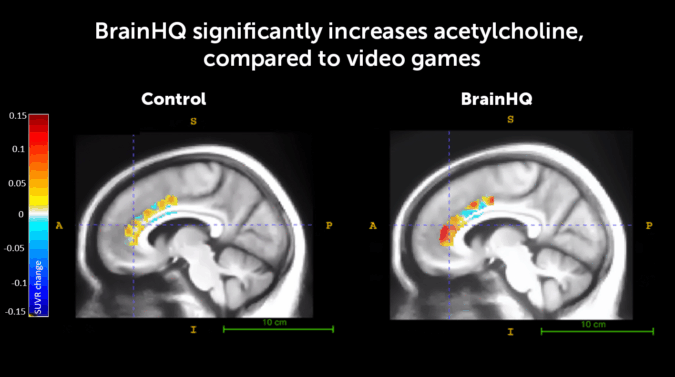
The recent INHANCE neuroimaging study made headlines around the globe when it showed brain exercises in BrainHQ increased the production of acetylcholine (the “pay attention” chemical) — known to decrease with aging, and to plummet in dementia.
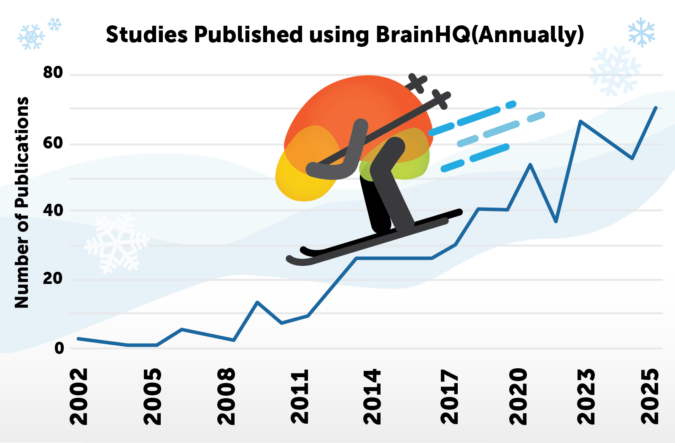
Brain training reached a turning point in 2025, after years of growing evidence snowballed into an avalanche of scientific proof. A surge of new research about BrainHQ helped erode long-standing skepticism, with a record-breaking 70 peer-reviewed publications in science and medical journals in 2025.
10 weeks of BrainHQ exercises delivered a decade’s rejuvenation.

Brain Training Mobile Apps Ranked in a Leading Journal

A ground-breaking study gives those with elevated Alzheimer’s risk a new path for changing the trajectory of their brain health. The researchers reported a significant improvement in global cognition from a coached intervention, which used the BrainHQ brain training app from Posit Science.

A new study shows that a novel online assessment provides a valid scientific measure of the cognitive abilities of older adults related to maintaining independent living. The self-administered, online assessment can be completed in four minutes — with large implications for monitoring and improving aging.
Sign-up for a monthly electronic newsletter that provides information about brain fitness and cognitive issues.