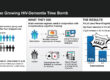

In early 2026, academic researchers from the ACTIVE study group released breakthrough results showing that using a computerized brain speed training exercise reduced the risk of developing Alzheimer’s disease and related dementias by 25% over a 20-year period. That exercise, now known as Double Decision, is available through BrainHQ.
A lot of people took notice. These breakthrough results were covered across the media, from the morning shows like Good Morning America to evening news broadcasts like ABC Evening News to radio news like NPR to many print outlets. What made it such big news was that this was the first ever scientific proof that a person could take a very specific action to lower their risk of Alzheimer’s.
But a result like that also raised a lot of eyebrows. How could doing computerized brain training make it less likely that a person would eventually be diagnosed dementia, even 20 years after they had done the brain training?
Our science team at Posit Science decided to dig into the data for more detail. To do that, we worked with a unique resource that the National Institute on Aging makes available: the NIA LINKAGE data sets. This resource allows researchers to securely access Medicare data (including medical records related to Alzheimer’s diagnosis) connected to clinical trials in aging research, such as the ACTIVE study.
Our team first asked a simple question: does the brain’s processing speed itself relate to Alzheimer’s risk? Many studies over the years have shown that slow processing speed suggests a higher risk of developing Alzheimer’s over the next few years, and there is even a well known “processing speed theory of aging” that argues that all of age-related cognitive decline is based on declines in processing speed. By using the ACTIVE study data linked to Medicare, we showed for the first time that processing speed can predict dementia risk not just over the next few years but over a twenty-year time horizon. We also found that people with the slowest processing speed were 1.7 times as likely to develop Alzheimer’s disease or a related dementia in Medicare records over those twenty years.

So, yes, processing speed is an important risk factor for dementia. But knowing risk factors is most useful if you can actually do something about them. Age is the most important risk factor for dementia—the older you are, the more likely you are to develop the disorder—but you can’t exactly reverse time. But can you reverse a slowdown in processing speed? Can your brain get faster, and if so, by how much? And how much training does it take?
We already knew that you can speed up processing; after all, our work at Posit Science is based on the scientific principle of brain plasticity, your brain’s ability to rewire and improve its function with targeted brain exercises. And the ACTIVE study had already shown that processing speed training led to big improvements in brain speed. But we went a step further in our new analyses – and showed that in ACTIVE, people who did processing speed training for ten 1-hour sessions, and then did additional booster training 1 and then 3 years later dramatically improved their speed. In fact, after that training regimen, almost 4 out of 5 people were in the fastest group of people, and fewer than 2% of people were in the slowest group. That meant that through their training, most people joined the group that was safest from Alzheimer’s.
Then we connected the dots. We knew from the ACTIVE study publication in early 2026 that speed training with boosters reduced the risk of developing Alzheimer’s disease or a related dementia by 25%. Now we knew precisely why: that speed training moved most people into the fastest group with the lowest risk of developing Alzheimer’s. And the math worked out perfectly—putting people in the safer group closely predicted the risk reduction seen in the data.
So to put it all together
Processing speed is a risk factor for developing Alzheimer’s or a related dementia.
But it’s not just a risk factor—it’s a modifiable risk factor that can be changed with brain training. And modifying that risk factor contributes directly to reducing the risk of Alzheimer’s.
It’s really exciting to see this theory of Alzheimer’s risk reduction borne out by the evidence!
Ready to put this into practice in your life? Sign into your BrainHQ account (or join if you haven’t started yet) and train your brain to improve your processing speed—and reduce your risk.